On June 22nd, 2025, Dehtail achieved 5th place with War Division Guzuko, the only black LRIG with such a high placing. In a meta as diverse as Legendary Diva, Dehtail shared some of their thoughts regarding the event.
Hi, I’m Montel, and my tag is Dehtail.
With Wixoss, I started with watching the anime. I was always watching and becoming more and more interested. I had hoped to play one day, but I figured it was gonna be just a Japan-only card game (I didn’t even consider proxying or anything). When Diva format came out and I heard that it was coming to the US, I pretty much dropped just about everything and started looking to buy cards. I remember my first deck was Card Jockey. I didn’t understand the rules, and much less the cards, but as I attended a card shop and played more, I started to learn., I came to realize that I tend to like playing black centers because I love the minusing effects and milling (watching the opponent’s deck hit 0 is ALWAYS so fulfilling for me).
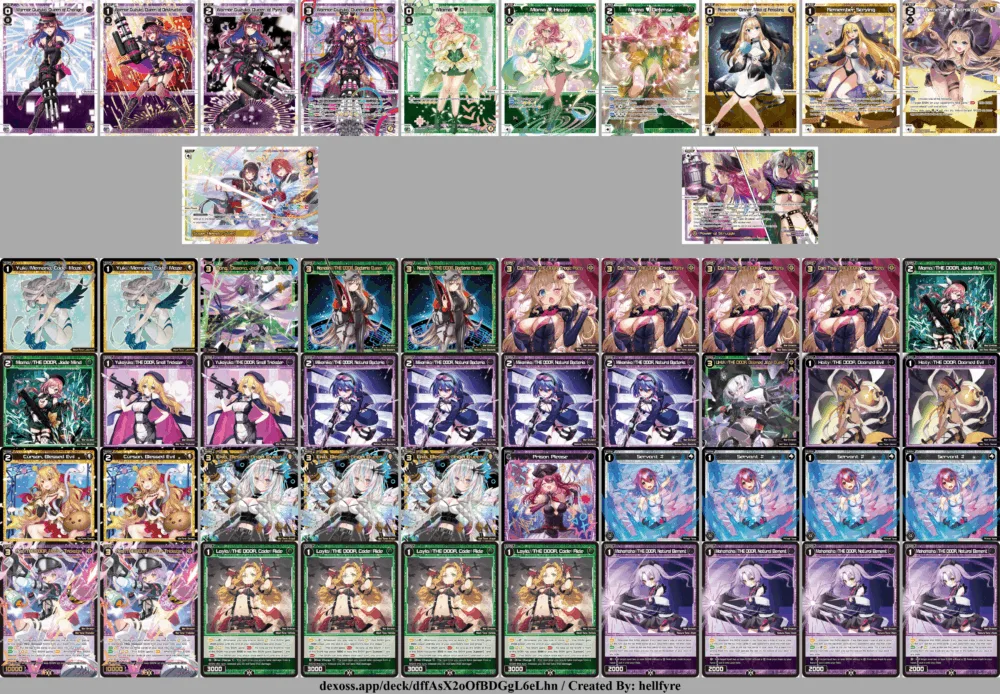
// Could you tell us a little about the deck? You were the only player who was able to pilot a black LRIG into top 8 – what makes Guzuko and War Division so powerful? //
Coming into the GP, I didn’t really think of what the “best deck” was going to be. I chose Guzuko after seeing the Divisions Diva set, and I just really like minusing effects. What made me stay with Guzuko was the use of coins along with the main gameplan. Most of the SIGNI within the deck give minus effects with coins, and I felt that it was valuable to have a resource the opponent couldn’t touch. In addition, the piece Power of Struggle was too good to pass up. Giving me 3 options, I always had options to use it offensively by milling or giving S Lancer, or defensively by retrieving cards from trash and giving 10k power to the board. That, paired with Exia, made it hard for opponents to do anything, which also saved me from using assists.
// Were there any other decks you considered for this event leading up to it? //
Guzuko was not my first choice, as I wanted to continue using the Dissona Tama. However, I felt that that deck wasn’t holding up as well as I’d like anymore, so I put Tama to the side to work on later. The other deck I considered was using Mugen Shoujo with Azaela center. It was definitely an annoying deck to face, and I figured it would’ve been the majority at the GP. What turned me away from it was that I didn’t feel like I was able to consistently defend when I needed to and it just felt kinda slowish to me. I ultimately chose Guzuko because she felt consistent with wins, was comfortable, and I enjoyed playing her.
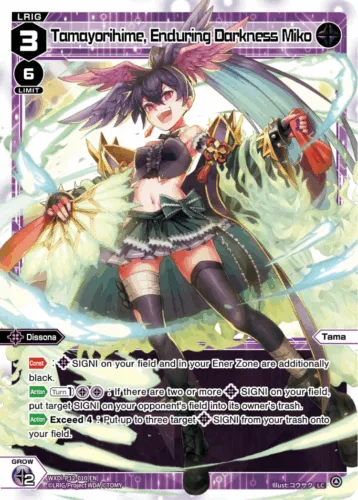
// What did practice and preparation for this event look like? Did you expect to make it as far as you did? //
Being in top 5 was nowhere NEAR where I thought I’d place. I kinda came in with the thought of “if I win at least 3 matches, I’ll be happy.” And there were so many close matches too, I kinda found it funny. As far as preparations, I actually built a few different decks that I felt would show up, and tried shadow fighting against them to learn potential strengths and weakness of those decks, while also trying to understand where Guzuko kinda falls flat at. It also helped me learn patience with the assists in the deck, seeing as I have more defensive options from Exia and Power of Struggle.
// How was playing games in the streaming room – did you feel any extra stress or pressure from knowing you were under a more public eye during those games? //
Being on stream has always been a nerve-wracking thought for me. I never thought I’d be on stream, and much less, place high enough to make it there. Once I got in the room though, I kinda forgot that I was being watched, and it just felt more like it was me against my opponent. In a way, it almost felt like I was in the anime. I’m just glad no one could hear me because I did kinda scream at the last lifeburst.
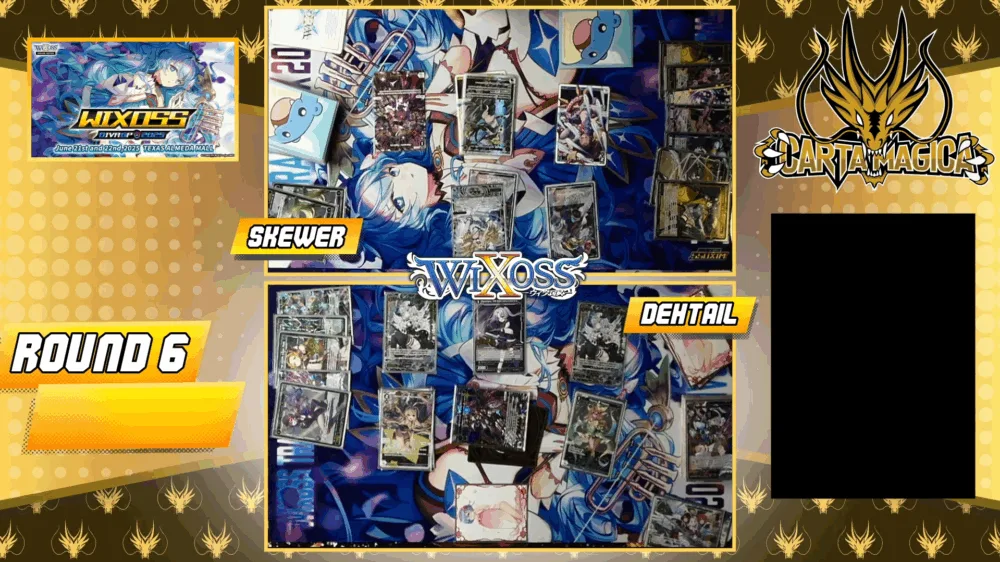
Dehtail utilizes a double Exia field to slow Skewer’s assault
// What were your thoughts on the event format, and what are some memorable moments from it, within the games or otherwise? //
The event itself was pretty fun overall. I did start to worry a bit because I didn’t have any signal on my phone, and I couldn’t see what table I had to report to. But I eventually found out and was able to get to all of my matches on time. The location was pretty nice, a lot bigger than the Dallas GP for sure. So it didn’t feel cramped or anything. And the side event was a nice idea, though I only had time to play once. I think the most memorable thing for me was just being able to be there with my friends and checking in with each other after every match. Then they started rooting for me once I told them I was undefeated before round 6.
// What are your thoughts on the P16 metagame? Are you looking forward to ARTS format? //
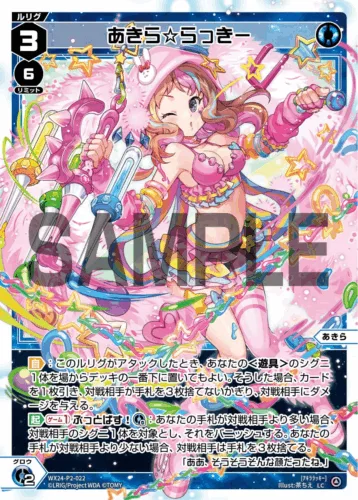
With P16, I was deadset on Mugen Shoujo being the top pick, so I wanted to learn everything I needed to. I wasn’t too worried about any of the divisions decks, but I probably should’ve been. Liberators were aggressive, but I didn’t really ever struggle against them. I haven’t faced any other War Division players, so I was kinda winging it there. Defense always seemed tough, but the people I practiced with played with more resource denial, which I was more prepared for. Everything else, I just felt I had to play on autopilot. Coming to GP, I was surprised with how many different choices I saw, even a Mahomaho player! That threw me off for sure. But I was happy to see there was diversity. I do hope ARTS is even more fun to play. I do wanna use Akira (I will be saying Aki-Lucky when I play her), but I also want to revisit Jewels and hopefully find a way to bring back Dissona Tama.
// Do you have any immediate plans for play going forward, and anything else you’re looking forward to regarding the game and your relationship with it? //
Any immediate plans? I think for now, I’m probably going to relax a bit. If friends do gather at the card shop to play, I’ll definitely jump in. But I’m really just waiting for ARTS to come. I feel like that will be a VERY exciting time.
Thanks again to Dehtail for sharing their time with us – hopefully you’re able to recreate those anime-like feelings at the next event, as well!
Introduction
The finals of GP Houston have concluded, and in a field dominated by Defense Factions and Ut’ulls’ incursions following the release of P16, the winning LRIG was… Hirana? Yes, really. Despite a metagame teeming with walls and resource denial, Dusel navigated Hirana to a 6th-place finish in the Swiss rounds and ultimately clinched the championship title.
So, how did a seemingly aggressive, straightforward Red LRIG rise above a sea of Defense Factions? To answer that, we’ll break down the P16 metagame that opened the door for Hirana’s resurgence, explore the Unknown Memory, and unpack how opponents found themselves caught by the Crimson Heat Ray.
Matchups
Round 1: Defense Tamago (Win)
Round 2: Defense Tamago (Lose) [Starfruit]
Round 3: Defense Tamago (Win)
Round 4: Dissona Piruluk (Win)
Round 5: Muzica Blue Archive (Win)
Round 6: White Tawil (Win)
———————————————–
Top 8: Defense Lion (Win)
Top 4: War Carnival (Win)
Finals: Defense Lion (Win)
Decklist

Dusel’s 1st Place Deck from GP Houston 2025
LRIG Deck
1 Hirana, a Step Towards the Battle
1 Hirana, a Step Towards the Initiative
1 Hirana, a Step Towards the Slash
1 Hirana, a Step Towards the Check
1 Ex Zero
1 Ex Echo
1 Ex Crossfire
1 DJ LOVIT – Standby
1 DJ LOVIT – SCRATCHx2
1 DJ LOVIT – CROSSFADE
1 Crimson Heat Ray
1 Unknown Memory
Main Deck
Life Burst
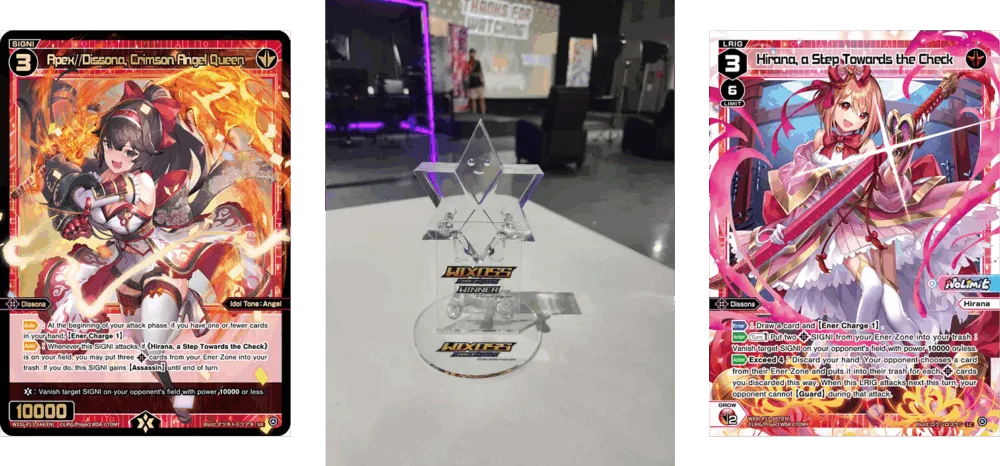
4 Apex//Dissona, Crimson Angel Queen
2 SeekLove//Dissona, Crystal Brilliance
3 Emergence
2 Ano Uzu//Dissona, Crimson Angel
1 Broom//Dissona, Code: Anti
4 Pale Laby//Dissona, Code: Maze
4 Servant #
Non-Life Burst
3 LOVIT//Dissona, Phantom Beast Deity
1 Bang//Dissona, Jade Evil Queen
1 Halberd, Full Armed
1 Nobunaga, Crimson General Queen
4 Ivy//Dissona, Natural Plant
1 Aiyai//Dissona, Second Play
2 Ril//Dissona, Crimson General
4 Firecracker//Dissona, Small Cannon
3 Wawolf//Dissona, Phantom Terra Beast
Card Explanations
This list is directly sourced from ウルシハ’s Dissona Hirana build. No modifications have been made. While Dusel briefly considered running a fourth copy of Emergence, he ultimately chose to run the list as-is.
Normally, I’d go card by card, but it’s been over a year since Dissona dropped in English, and even longer in Japan. If you’ve been playing this game for a while, you already know what these cards do. Rather than reviewing each card individually, this breakdown will categorize cards by function within the deck.
Hirana, a Step Towards the Check
Choosing Dissona Hirana over the original Hirana and the Liberator package is a direct response to the evolving metagame. The old plan—using Flathro and a +1 LRIG damage finisher—has been outpaced by Servant recursion and increasingly efficient defensive Assists.
Dissona Hirana solves this by applying consistent pressure through Dissona SIGNIs. Her Once Per Turn vanish ability opens lanes reliably from level 3 onward. Her Once Per Game effect often renders opponent defenses ineffective. In essence, Dissona Hirana sacrifices linear burst damage for repeatable lane access and an uncounterable finisher.
Ex Echo & Ex Crossfire
Ex Echo is the most consistent red draw Assist currently available. It reliably provides three cards at the cost of one Red card, helping maintain card advantage.
Ex Crossfire removes a SIGNI and chips away at your opponent’s ener, which is critical when preparing for a decisive turn with Hirana’s Once Per Game. In particular, denying ener can shut down assists like Mel Invisible and make it difficult for opponents to defend.
DJ LOVIT – SCRATCHx2 and DJ LOVIT – CROSSFADE
DJ LOVIT – SCRATCHx2 is resource-intensive, but its payoff is high. When played early, it reliably lands a Double Crush, as most decks are not yet developed enough to prevent it. If you open three lanes and resolve SCRATCHx2 while going first, you can often reduce your opponent to 4 Life Cloth by turn 2 or 3, putting them in kill range without overcommitting.
DJ LOVIT – CROSSFADE vanishes a SIGNI and crushes a Life Cloth, inching the opponent closer to 0 while clearing a lane for further damage.
Crimson Heat Ray
Crimson Heat Ray is direct damage. Two ener to trash one Life Cloth. When paired with DJ LOVIT – CROSSFADE, you compress your opponent’s survivability significantly. Instead of starting at seven, they’re functionally at five.
Unknown Memory
Unknown Memory is a flexible Piece. The preferred mode is draw two, ener two—providing 4 resources. But in cases where you need to guarantee open lanes, its vanish option comes into play. It does whatever the situation demands.
Apex, LOVIT//Dissona, and Bang//Dissona
These are the deck’s major offensive tools at Level 3:
Apex’s Assassin allows her to bypass what is in front of her. LOVIT//Dissona picks off SIGNIs and snipes away the colors needed for your opponent’s Assists. Bang//Dissona is a targeted answer to LOVIT//THE DOOR and other resilient SIGNIs.
SeekLove and Pale Laby
Outside of Ex Echo and Unknown Memory, this deck doesn’t generate many resources. It relies heavily on burst effects to maintain tempo.
SeekLove and Pale Laby function as crucial draw bursts. Triggering one or two across a game is often enough to reload your hand and continue applying pressure without losing momentum.
Ano Uzu and Pale Laby
These two are your utility SIGNIs. Against high-power level 1s like Muzica//THE DOOR and Sanga//THE DOOR, you will need a two-card combination to open the lane, one damage dealer and utility SIGNI. Pair Pale Laby with Firecracker or Wawolf, or Ano Uzu with Wawolf to push for the extra damage.
Ivy
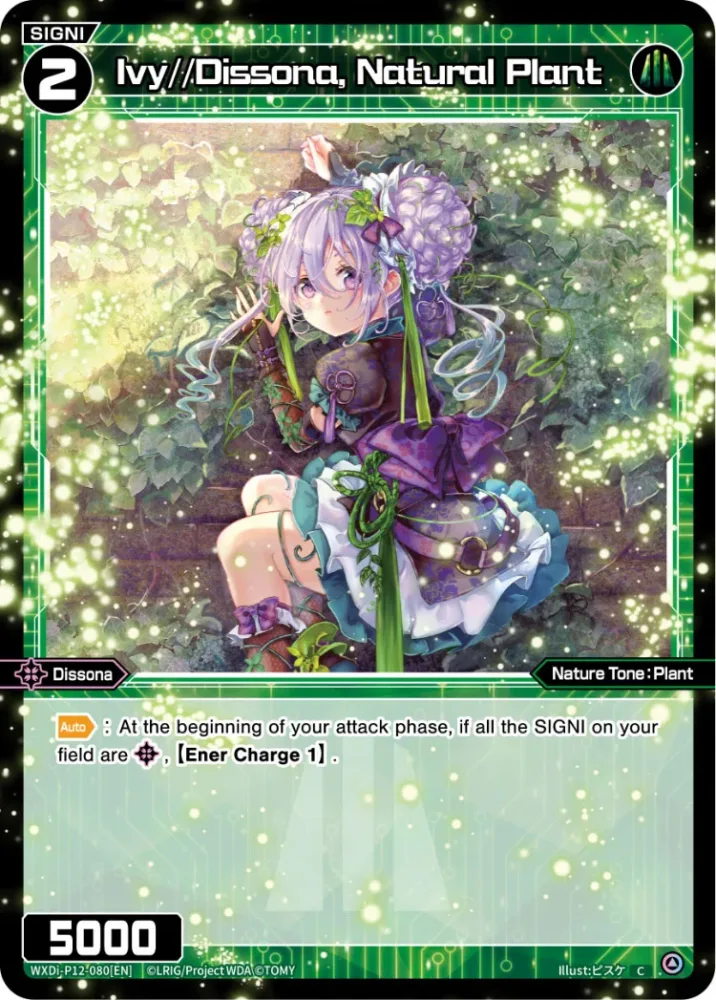
Ivy keeps your ener flowing, which is absolutely vital in a format where resource denial is everywhere. She generates ener while maintaining board presence and fueling expensive plays like the LOVIT assists and Crimson Heat Ray.
Firecracker, Wawolf, and Ril//Dissona
These are your early-game threats. Firecracker and Wawolf don’t need much explanation. They both open a lane for low cost.
Now, about Ril//Dissona—why not Layla//Dissona from P16? Layla//Dissona is more ener efficient, right? On the contrary, you always want to prioritize Ivy, and Ril//Dissona plays nicer with double Ivy at level 2. You can squeeze under the 5 limit and still threaten damage.
Broom
You use it on your final turn to find a LOVIT//Dissona or Bang//Dissona. Occasionally, it gives you an extra card for an extra ener burn with Hirana’s Once Per Game.
Aiyai//Dissona, Halberd, and Nobunaga
The deck contained a small package of 1 Halberd, Nobunaga, and Aiyai//Dissona. Nobunaga for Double Crush. Halberd to break through the last Life Cloth against the target assists.
Aiyai//Dissona picks up non-Dissona SIGNIs— even Servants. As a result, Aiyai//Dissona can act as a bridge to let your Emergence recover important non-Dissona. Use Emergence to grab Aiyai//Dissona from your ener, play her to grab Nobunaga, Halberd, or Servant.
Emergence
Converts into extra ener, or you grab exactly what you need—Aiyai, LOVIT, whatever solves the turn. Sometimes you just burst it, slam down a Firecracker, and get there.
Basic Gameplay Patterns
This gameplay pattern describes the average outcome of the deck. The amount of Life Burst and Servants that your opponent has will be a factor, so adjust your game plan accordingly.
Going First
Level 1 (Turn 1):
Grow Ex Echo to draw 3 cards and play two level 1 SIGNIs. Since you are not doing any damage this turn, you will need to sacrifice some of your utility SIGNIs as bodies on the field and make an educated guess on which ones to keep.
Level 2 (Turn 2):
Because you are going first, your LRIG deck is better. On level 2, you get to present a board threatening three lanes with Double Crush from DJ LOVIT – SCRATCHx2. That is less likely to get blown out and has its instant win blowout potential. With this, you will almost always crush 3 Life Cloths, meaning you are less likely to need to take risks due to falling behind.
Without the Double Crush, you would, on average, only be dealing 2 damage on your first turn of damage, which turns into an uphill battle. Furthermore, going first gives you the ability to represent Ex Crossfire immediately.
Level 3 (Turn 3):
On average, your opponent would have 4 Life Cloth left. Proceed to open 3 lanes again and force out your opponent’s Assists.
Level 3 (Turn 4):
Use DJ LOVIT – CROSSFADE and Crimson Heat Ray to remove two more Life Cloths. This will be your last turn, so plan out your attacks accordingly. Use Nobunaga for the Double Crush, Halberd to crush any last remaining Life Cloth, or open 3 more lanes. Fire off your Once-Per-Game, and victory will be in your grasp if all goes to plan.
Going Second
Level 1 (Turn 1):
Going second, your main deck is better. You can use your entire opening hand offensively from your first turn, so you can better use your utility SIGNIs like Ano Uzu and Pale Laby.
Grow DJ LOVIT – SCRATCHx2 to give Double Crush to the SIGNI in the open lane and open a 2nd lane. Swing the Double Crush SIGNI first and score at least two damage.
Level 2 (Turn 2):
Proceed to open three lanes. Your opponent will be inclined to grow their Assists to mitigate some of the damage.
Level 3 (Turn 3):
This is most likely your final turn. Use DJ LOVIT – CROSSFADE and Crimson Heat Ray to remove two more Life Cloths. As mentioned previously, plan out your attacks accordingly. Fire off your Once-Per-Game and proceed to the attack phase.
Matchups
Unlike decks where matchups are defined strictly by LRIG choice, Dissona Hirana’s matchups are better understood by analyzing two core variables: the opponent’s board strength and the number and type of defensive Assists they run.
To begin, much of the content in this section is based on the analysis originally presented by ウルシハ in his article. I strongly recommend reading the original piece, as the majority of the matchup theory discussed here is derived from his insights. Even for those who do not read Japanese, translation tools such as Google Translate make the article readily accessible. I do not claim credit for the strategic concepts presented in this section; rather, what follows is a translated and adapted version of ウルシハ’s matchup theory, with additional emphasis placed on key decision-making points.
Weak Boards and 4-Points of Defense
Decks like Black Umr and War Carnival apply early pressure with aggressive plays, quickly threatening your Life Cloth. However, they typically lack sustained pressure tools or disruption and often rely on fragile SIGNI lines to maintain momentum.
If your resources go undisturbed, you can reliably deploy three attackers each turn and progress toward Hirana’s Exceed finisher, making these matchups generally favorable. Still, your own board isn’t invincible—falling behind on tempo can put you in a tight spot before you stabilize.
Generally, hold off on using your Assists until your closing turn unless circumstances demand an earlier response. There’s usually no need to raise your LRIG’s Limit early. Just be cautious around defensive SIGNIs like Exia that can stall your offense. Use your Pieces carefully—ideally to finish with a clean final push.
Strong boards and 4-Points of Defense
White-focused decks like Tawil dominate this category, often boasting strong SIGNIs and reliable defensive tools. The timing of your offense matters more than usual here.
Suppose you’re on the draw and your opponent plays out two 8000-power SIGNIs on turn one. If you don’t have a reliable way to break through—such as a Piece or Assist—don’t rush to push damage. Many white builds pack powerful Life Bursts that punish reckless attacks, and your removal tools are limited and need to be preserved.
If you’re on the play and it’s your second turn, it’s often worthwhile to commit fully and open three lanes, even if that means using both an Assist and a Piece. The swing in tempo can be decisive.
Once your opponent has access to Assist-based defense—usually by your third turn, going first or second turn, going second—consider switching to a two-lane attack pattern. If their Assist setup includes a 1-stop and 3-stop combination (e.g., Akino and Lion), the outcomes are usually favorable for you:
- If they stop one attacker, you still land a safe point of damage, dodging Life Bursts.
- If they block two, you’ve drawn out their strongest defense for minimal damage prevention.
- If they let both attacks through, you pressure their Life Cloth while forcing them to react early, possibly with Exceed.
In all cases, the exchange tends to benefit you. If they run two 2-stop Assists instead, go wide—forcing them to commit resources across three lanes is harder to sustain.
You should generally save your Assists for your game-ending turn. That said, since you’re unlikely to generate natural ener before then, using Unknown Memory to charge ener before developing Assists is often correct.
3-Points of Defense or Less
This group includes Hirana mirrors and most Liberator archetypes. These decks usually trade defensive staying power for speed, turning games into races. If you allow them to reach a fourth turn, the game is likely over. That means you need to close by turn 4 when going first, or turn 3 when going second.
The biggest skill check here is knowing when to absorb damage. Early on, it’s usually better to take hits and conserve your key defensive tools, especially since Life Bursts are more impactful in the early stages.
If you’re going first, letting your opponent hit you on their turn 2 is usually fine—it conserves ener and cards for your future push.
When going second, turn 3 is critical. Deciding whether to block depends on:
- How much Life Cloth each player has left.
- The number of Servants or other defensive cards in hand.
- Whether you can guarantee a lethal swing on your upcoming turn.
If your opponent is low on Life Cloth and you’re confident you’ll survive until your third turn without blocking, taking damage to charge ener and grow both Assists can be correct.
However, if they have a healthy board state or Life Cloth, and you aren’t confident in closing out, you might need to hold back, only growing one Assist to retain a potential block on their fourth turn.
There’s no single right answer, and the best decision often depends on the flow of the match, but especially when going second, an all-in turn 3 can be a strong win condition.
Strong Boards and Resource Harassment, but Slow Attacks
These are typically Defense decks. While some include faster win options like Code Anti Madoka//THE DOOR or Over Pursuit, they usually play the long game. Their SIGNIs often gradually strip away your ener or hand, so every card you play must count.
When facing a 2-stop and 3-stop Assist combination, your default should be to apply steady 1-point pressure, except in specific early-game windows, like when you’re on the play turn 2. If your opponent establishes a Barrier, push an extra point to force them to choose: either lose Life or spend a key defensive card. Nobunaga often shines here.
Hold onto your Assists to answer major threats, especially things like Nova//THE DOOR. But if the game drags too long, their resource engine will likely overtake you. Try to end the game by turn 5 or 6 before that advantage becomes overwhelming.
Damage Immunity Assist + Ener Increase Piece
Decks such as Unrest Nanashi and Dissona Piruluk fall into this category. These decks use defensive Assists like Mel Invisible with ener-boosting Pieces like Zeno Cluster, creating a setup that makes it especially hard for Hirana to land a finishing blow with her Once Per Game ability.
While winning is difficult, there are still slim windows to close out the game, like dealing 4 damage by your second turn on the play, or reaching your fourth turn on the draw with enough tempo to push through.
Ex Crossfire plays a key role here, as it can eliminate your opponent’s Green ener and prevent them from activating Mel Invisible’s full effect. Including 1 or 2 copies of LOVIT//Dissona on the field can also further disrupt their ener setup, denying them access to the damage-immune Assist at a crucial moment.
LRIG Freeze
In certain matchups, it’s often correct to avoid attacking with your LRIG to play around LRIG freeze effects. Cards like Tamago, Fang Michaela, and Seminar can punish an aggressive LRIG attack by freezing it, denying you access to your Once Per Game ability on the following turn. By holding back your LRIG, especially when you expect a response or setup for freeze next turn, you can set up your Once Per Game for the game shot.
Conclusion
Despite the dominance of Defense decks in the P16 metagame, Dissona Hirana’s tools—consistent lane opening via SIGNIs, efficient damage compression through Pieces like Crimson Heat Ray and CROSSFADE, and targeted ener denial—allow her to exploit the weaknesses of the slow format.
Once again, congratulations to Dusel for his victory and piloting Hirana through the heavy Defense Faction metagame. Don’t forget to read his interview with Rewsula. If you have any other questions about the deck, please ask @Dusel_ on Twitter.
On June 22nd, 2025, Emi achieved 7th place with the brand new team Mugen Shoujo, headed by Azaela. The deck brings the legendary team from the anime to life, and features some of the most powerful SIGNI and LRIGs the Diva format has ever seen.
Hi! I’m Emi. My name’s shown up here a few times from tournaments, but I’m happy to finally be featured. I got into Wixoss because I was an accounting intern for Tomy International a few years ago, and I stumbled upon the TOMY logo on art I liked on Twitter. Then I dug into the rabbit hole, and started playing around when P10 came out in EN. This is the first TCG I’ve ever played competitively, and through it I’ve made so many friends I look forward to seeing whenever I can. I’ve always had an itch for competitiveness, and Wixoss struck the perfect balance for what I was looking for.
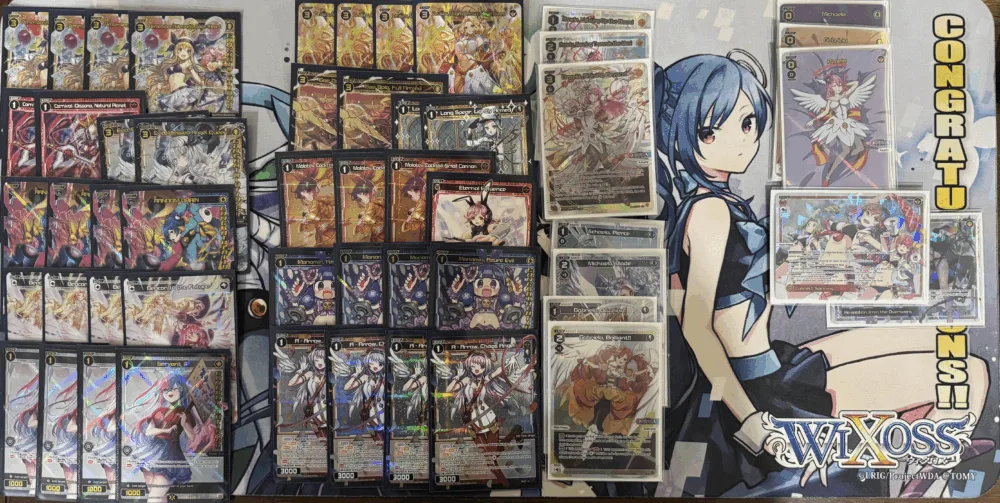
Emi’s Top 8 Deck from GP Houston 2025
// Could you tell us a little about the deck? Team Mugen Shoujo had quite a few different builds, with varying centers, pieces, and deck makeups – what made you settle on this version? //
This deck was largely inspired by Coffee’s Azaela list that he brought to the 2024 Winter GP in Japan. I tried a lot of variations of the deck for P16 format, but the one that felt the most consistent is the one with Gae Bolg and Carnival//Dissona to replace the cards not currently in the EN format. I believe this was first made by Starfruit. I tried making a variety of modifications, but they all seemed to be too niche and risky.
I would consider Azaela to be a great center because Zeusias, the team signi, is a red card. Every MS center wants to play Zeusias, so it helps fill your grow cost easily. Additionally, the tax on the ener is relevant in almost every matchup, especially when paired with connect spinning. The big question is why does this run connect spinning over D-(A)live, the team piece? When paired with the ener burn Azaela already does, it fixes exactly what the deck was missing–a reliable way to end the game. D-(A)live’s purpose is slowing the gameplan of your opponent, while Connect Spinning pushes the pace of your own, something that really helped in slow and tough matchups like Defense Division.

// Were there any other decks you considered for this event leading up to it? //
I’ve taken Alfou to the past two GP’s, and I felt like she was set up for success in both of those formats. However, my performance in the Dallas GP was under what I wanted it to be, so I wanted to make sure I was bringing the deck that gave me the best shot at winning a Mugen Shojo invite. Alfou struggles really hard vs Defense Faction, so she unfortunately was out of the picture pretty early. My favorite lrig is Allos Piruluk, so I considered her as well. But similar to Alfou, she didn’t have the power level that seemed consistent enough to win an invite, which was my goal. So that one was out pretty quick, too. I do feel like very early on into the meta, I knew exactly what I was going to play. While Defense was always going to be a good pick, I never considered it because I knew there will always be better players than me at that style of deck. My goal was to place top two, and I still don’t think I could have accomplished that on any other deck.
// What did practice and preparation for this event look like? Did you expect to make it as far as you did? //
I prepared more for this event than any other. I’m lucky to have the active practice group I do, so I was able to receive meaningful practice against top players on every strong deck. And we’re all close friends, so we end up talking to each other a lot in and out of the game. That, and the North Carolina Friday Night Wixoss online tournaments helped me stay fresh in a tournament-like setting.
My practice made it seem like I always had a chance to make it to top eight, but GPs are always chaotic and nothing is for granted. There are many players that placed below me I would consider to be better at the game, so I definitely think there was some luck involved with me being able to make it this far. But my goal was to win an invite to Mugen Shojo, which unfortunately I came up short. Nonetheless, I’m extremely happy with how far I made it, and I couldn’t have done it without the help I got along the way. I just hope I can finally win a game in top eight sometime!!!!!!

Emi had achieved tops at several tournaments leading up to the GP
// How was playing games in the streaming room – did you feel any extra stress or pressure from knowing you were under a more public eye during those games? //
Personally, I loved being in the streaming room. I am always happy to be in front of (or below, in this case) a camera, so it didn’t bother me at all to have my gameplay publicized. Sure, it added to the nerves, but I didn’t let it get to me and think I played as good if not better than I would have if it weren’t streamed. If it was up to me, all my games would be streamed!
// What were your thoughts on the event format, and what are some memorable moments from it, within the games or otherwise? //
It turning into six games of Swiss was a shock, but I think in this meta especially with how diverse it can be, it takes a lot of brain power to play seven intense games (which Azaela has a lot of). So I didn’t mind. Making top eight at the only two-day GP was really, really, fun. Coming back to the Airbnb on Saturday to the overwhelming support from my friends was something I’m never going to forget. When I opened the door to piles of cards my friends were putting together to help prepare me for my top eight matches, I could feel how much they cared about my success. I consider them to be family, and I could not have gotten this far without them. Big shoutout to ChairA, Pigeon, and Rewsula who helped me play games late into the night on Saturday! As for gameplay memorable moments, it for sure has to be the Sirionseal win on stream. It was PEAK HYPE!!
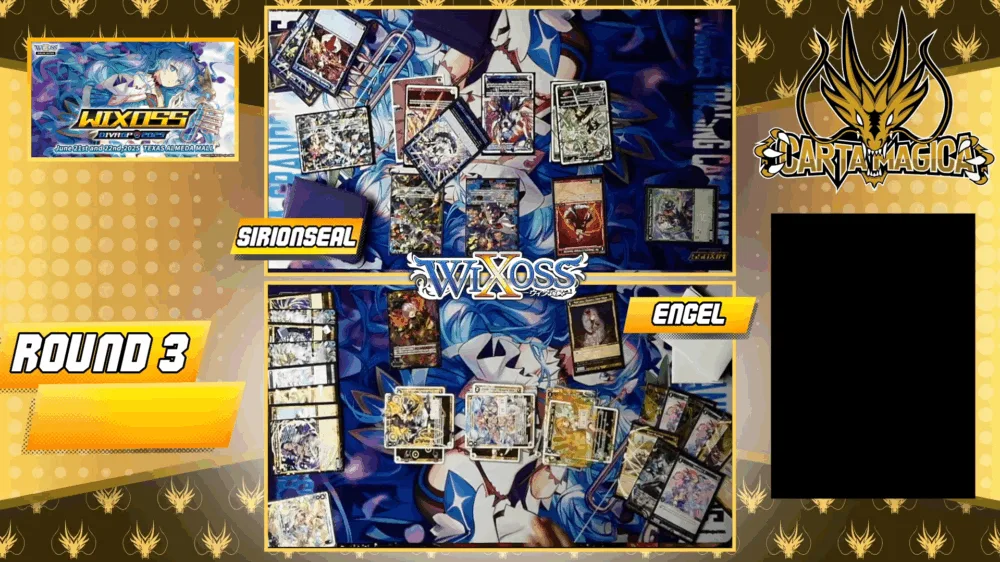
Sirionseal discards the last card (6 in one turn cycle) from Engel’s hand to secure a win in Round 3
// What are your thoughts on the P-16 metagame? Are you looking forward to ARTS format? //
P16 is extremely difficult to prep for because there are so many good decks that play so differently that it feels impossible to prep for them all. I know that a lot of my testing group struggled to pick their deck to pilot, and some even waited till the last minute (literally) to make a decision on what deck they were playing. I think that because I settled on a deck multiple months in advance, it helped me make sure I was successful and prepared, although I’m not sure how much I’ll play this format anymore.
I’m looking forward to arts, but now I’m back till square zero with what deck I’m playing!! I like Iona a lot, but black isn’t in the best spot. And it doesn’t seem Azaela gets all that great again until WX24-P4 when the multi-colored arts come out. So maybe I’ll play like Hitoe or something I’m not sure. We’ll see. But I still am very motivated to compete and can’t wait till the next time we all meet up again. Hopefully this time I’ll win a game in top eight!
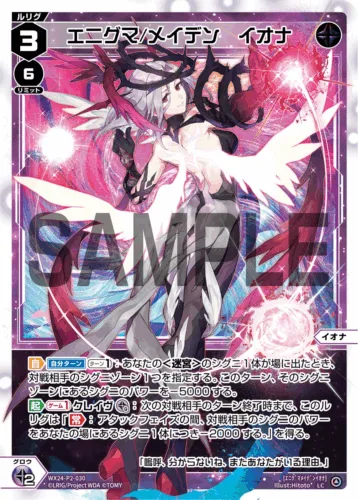
Thanks again to Emi for sharing his time with us, who was truly Mugen Shoujo during this event!
On June 22nd, 2025, MoiMoi became the highest place player piloting a green LRIG at any North American GP. They did it playing Carnival, combining the strengths of both War Division & Liberation Division. They were kind enough to answer a few questions for me about this historic run.
Hi everyone, my name is MoiMoi, I started Wixoss around the time when booster pack P05 releases in North America. My locals are the stores that support Wixoss in the greater Los Angeles area.
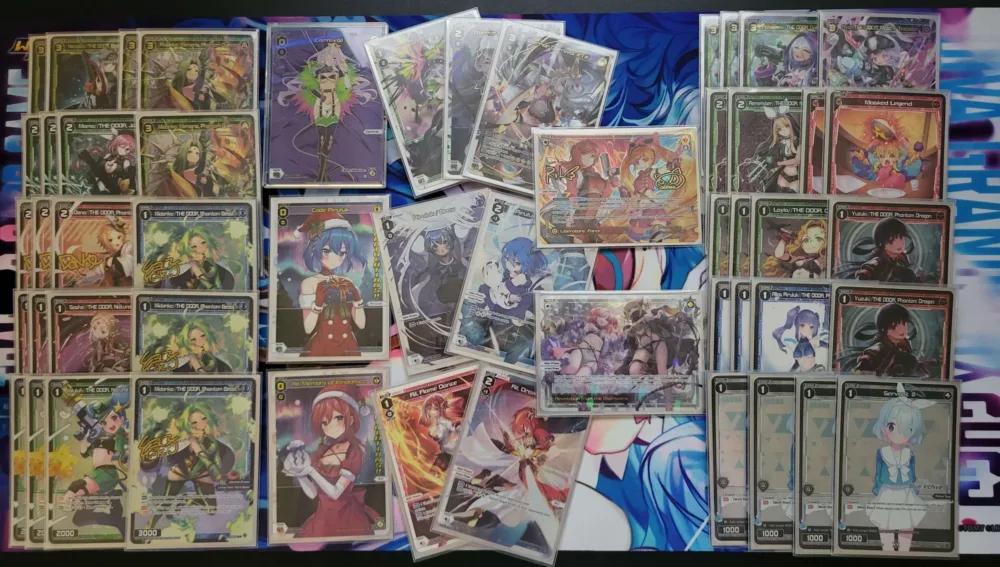
MoiMoi’s 4th Place Deck from GP Houston 2025
// Could you tell us a little about the deck? You achieved the highest placing ever by a green deck at an English GP – what makes the combination of Carnival and Liberation so powerful? //
What initially got me into this deck is that I was very fortunate to open a Carnival (???) and an LRP Liberator’s Force from the few boxes I purchased when P15 released. During testing I found out that this deck has a fair chance against many of the popular decks under the current meta. This is due to War Division (Carnival) and Liberation Division complementing each other in the way that, while War Division can be very cost efficient in opening lanes and generating resources with its coin effects, it cannot do much once it runs out of coins.
Especially in the early game when the opponents present multiple 8K+ power Signi on the board, War Division often doesn’t have enough coins to push through the game as it also lacks ways to prevent opponents from fully utilizing their defense options. On the other hand, Liberation Division is packed with options that prevent the opponent from defending against it, including both discarding and ener burning effects. It also provides other options to open lanes early game so the precious coins can be preserved for later usage. The weakness of Liberation Division of having limited options to deal with 12k+ power Signi late game can be covered by War Division effects.
// Were there any other decks you considered for this event leading up to it? //
I was also considering team Azaela for the Houston GP as I really like Azaela’s art and her game plan in general. However, during testing I feel like team Azalea is much more dependent on the matching, and it might have an unfavorable matchup against top decks like Defense Division and Gariella.
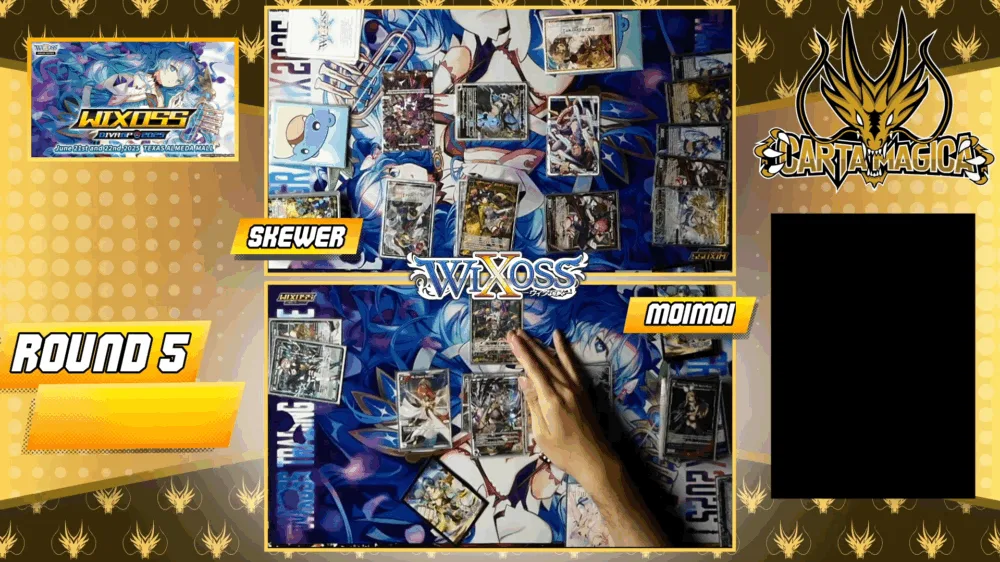
MoiMoi’s Round 4 Match vs. Skewer
// What did practice and preparation for this event look like? Did you expect to get such a high placing? //
I did the practices with my locals, with Skewer, MryNightmare, and Pieinapie also representing Southern California in the Houston GP. We built decks we believed to have more appearances in the event and played with and against it to gain familiarity with different game plans. I definitely did not expect to make to the top 4 or even the second day of the event. To be honest, my initial goal was to make to top 32 or top 16 if I got lucky enough.
// How was playing games in the streaming room – did you feel any extra stress or pressure from knowing you were under a more public eye during those games? //
I thought I was fairly relaxed — at least until I stepped into the streaming room, because being 4-0 at that point I had already reached my initial goal, but being in the streaming room is definitely an unique experience for me. If I remember correctly the room is covered with soundproof materials so it is dead silence unless the opponent starts talking. It is a lot more stressful to play in that room compared to playing in the open areas, even more so than knowing that people are watching my mistakes. There were simple misplays I realized immediately during the game, including forgetting my own or the opponents’ effects.
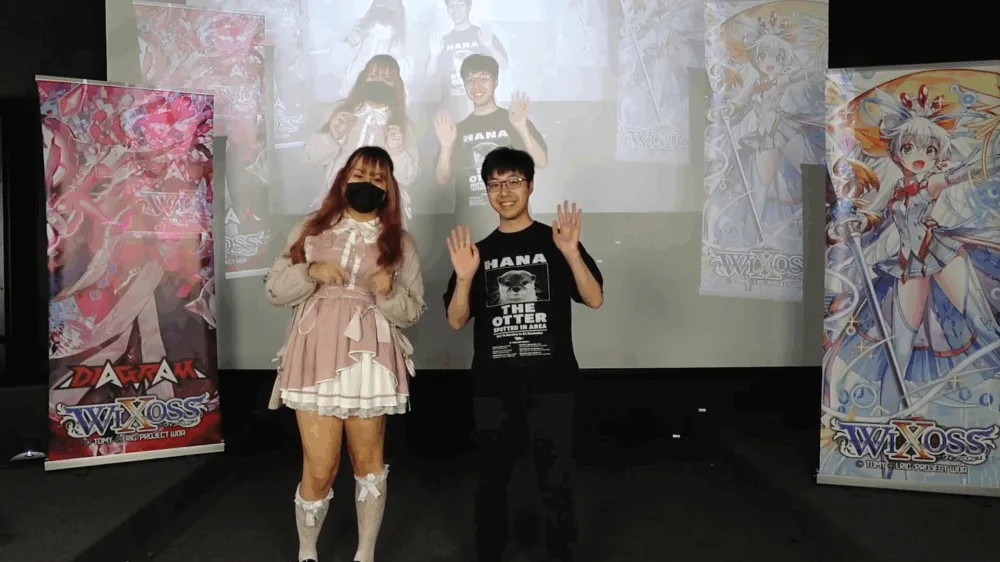
Nichole (left) and MoiMoi (right) during the final awards ceremony
// What are your thoughts on the P-16 metagame? //
Overall, I enjoy the current metagame for having a very diverse profile for deck archetype. I believe the overall most well-rounded deck in the meta still belongs to Defense Tamago. With its top-notch ability to restrain any resources from its opponent, it is very possible that the Tamago player can win the game without opening any lanes with the main deck, and even with the most resource efficient aggro decks under the current meta, it is still very lifeburst dependent given the vast defensive tools Tamago have. However, it also means that Tamago would be the first few decks people prepare against for the Houston GP. On top of that, the time limit for the Swiss round is also a drawback for the Tamago players as it also takes more time for their opponents to figure out how to push for damage which eats into their time.
// Are you looking forward to ARTS format? Do you have any immediate plans for play going forward, and anything else you’re looking forward to regarding the game and your relationship with it? //
As far as I know there is no official notice as of today for the future sets for the EN cards, but I’m looking forward to play the WX24-P1 Midoriko. Also, I hope that we will have some sort of official event when the five new prebuilds get released as it could potentially draw new players.
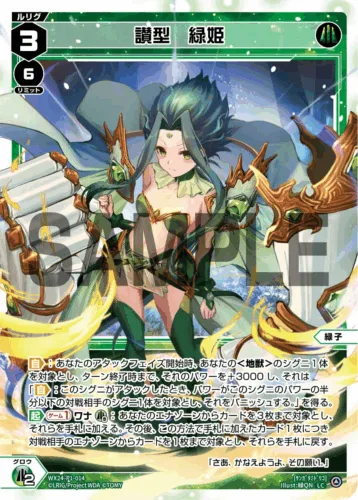
Thanks again to MoiMoi for sharing their thoughts and time with us, and another round of congrats for such a great performance!
On June 22nd, 2025, Skewer made it the finals of the WIXOSS Grand Prix in Houston, qualifying him for Mugen Shoujo 2025. He piloted a unique version of MC Lion, and was kind enough to answer a few questions for Mayu’s Room.
I (Skewer) started playing Wixoss with the english release of set P-00. I’ve played pretty much every english TCG under the sun up by that point but Wixoss quickly became my #1 for two main reasons:
- The game is incredibly well designed. There are very few frustrating or unfair strategies that plague most other card games. The Diva design team also really sanitized the format from what I’ve heard and I very much respect them for that.
- I love the idea that there’s a LRIG for everyone and character expression is such a fundamental aspect of this game. No other game has this much diversity while still allowing so many decks to be viable.
Since then, I’ve basically tried to attend every major tournament possible and have had decent successes up to this point.
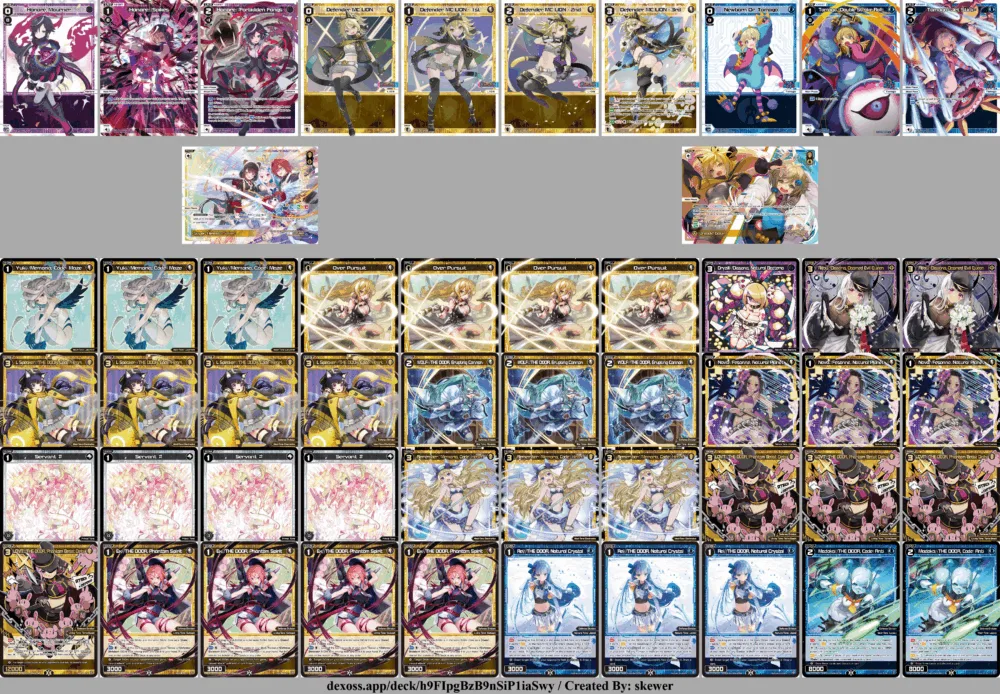
Skewer’s 2nd Place Deck from GP Houston 2025
// Could you tell us a little about the deck you chose? //
I built a Defense Lion deck that was designed to be incredibly efficient at punishing weak boards while putting up very difficult boards for an opponent to break. Lion had been the center I played the most up through P-05 so I’m glad her new version has such strong tools so I could play her again.
// It shares a lot of similarities with a deck you played nearly two years ago at Vegas 2023 – can you share some of your thoughts about that? //
I honestly hadn’t thought about that until now, but now that you bring it up, it does share a lot of characteristics with the deck I brought to the first GP, which for context was a Tama center deck that grew assists quickly and sat on double Remember the entire game. Both decks have very reliable ways of pushing damage while walling up behind resilient SIGNI. For large tournaments where so many types of decks are being represented, I very much value the ability to pivot between offense and defense in order to be able to adapt to any situation.
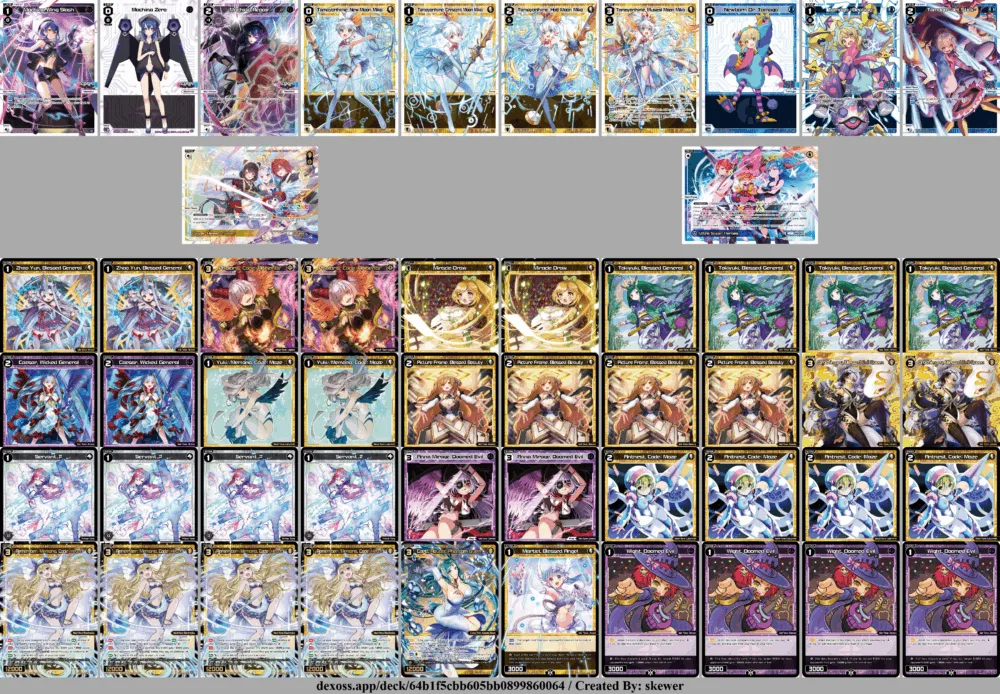
Skewer’s list from GP Vegas 2023
// What inspired you to stick with this build that deviates so much from what many others were playing as well as what was established by Japanese players in their time during this meta? //
So here’s the awkward thing. I have never once looked at any Japanese lists when I build decks, so it’s not so much that I actively try to be different, but rather I simply arrived at a different conclusion when starting to build a deck from the same card pool. Japanese players don’t have the luxury of copying someone else’s homework, so I should at least try to do the same if I want to compete at the same level as them. Every failure then entirely comes down to my own shortcomings, whether in deckbuilding or piloting, but at the same time nothing feels better than succeeding entirely on my own merits.
// What did practice and preparation for this event look like? //

Honestly Open!Batoru has been a godsend for testing decks without needing to build them physically. Other than that, I spent way too much time theorycrafting different decks and grinding them out at locals, of which I am blessed to have multiple.
// Did you expect to get such a high placing? //
Yes.
// How was playing games in the streaming room – especially with finals, did you feel any extra stress or pressure from knowing you were under a more public eye during those games? //
A little. It’s always embarrassing to have a misplay recorded for future vod-watchers to backseat criticize forever, but I think I am happy with the level of play I demonstrated. The one obvious misplay was not using the SIGNI barrier in finals, but that was not game-determinative so I don’t need to beat myself up too badly for that.
Skewer ends the game with a field of Double L Speaker
// What were your thoughts on the event format, and what are some memorable moments from it, within the games or otherwise? //
Splitting the event into two days was super helpful. Starting top cut with all players being fully rested definitely improved the quality of the games. Game Guys also has to be my favorite venue up to this point. The production value that went into the setup and stream made me feel like I was actually a part of a legitimate eSport.
// What are your thoughts on the P-16 metagame? //
As the culmination of the Diva format, it has probably the greatest diversity of viable decks up to this point. In fact, I did not face a single deck twice during swiss. This is also the first time the most represented LRIG did not make top cut, which is almost unheard of not just for Wixoss but for any card game.
// Are you looking forward to ARTS format? //
I dislike soft reboots on principle, but will withhold judgement until I’ve experienced the format firsthand.

// As a finalist, you qualified for Mugen Shoujo 2025 – are you excited for that event? //
Absolutely. A trip to Japan has been on my radar for a long time, and this is the last push for me to finally make the pilgrimage.
// What plans do you already have for both your trip there and the practice leading up to it? //
My wife and I and going to make this trip our 5-year anniversary celebration, but it would really be helpful to have a more definite date to work with so we can make more concrete plans.
And as irresponsible as it seems, I don’t find it urgent to practice for a format where even the Japanese players still have 3 or 4 unreleased sets to take into account. But when I do, everyone can be sure I will personally evaluate every legal card and cook up something no one will see coming.
// Bonus: Can you tell me a bit about Spheal? //
He is a big round boi that brings happiness and smiles to everyone.

Thanks again to Skewer for sharing his time with us and we’re all looking forward to seeing what he comes up with for Mugen Shoujo!
On June 22nd, 2025, Dusel took the victory at the WIXOSS Grand Prix in Houston. He piloted Hirana to the top, marking the first time that a red LRIG has won a North American GP. Following the event, Dusel was kind enough to answer a few questions for Mayu’s Room.
Hello everyone! My name is Dusel, I have been interested in WIXOSS for a long time but only started collecting back during the end of Key Selection. My favorite LRIG is Eldora and I mostly focus on collecting cards and other items relating to Eldora.
Dusel’s 1st Place Deck from GP Houston 2025
// Could you tell us a little about the deck you chose? As a long-time establish player, I feel that this deck differs pretty heavily from what you’re generally known for playing – what led you to Hirana? //
During testing I prioritized looking into options for Eldora, but I quickly found that the new liberation cards matchup unfavorably against many of the top decks that were expected to be played at Houston.
My next consideration was that I wanted to play a deck that included Ivy//Dissona. I believe Ivy is one of the strongest cards in the current environment and so my search narrowed to decks that can best utilize this card. I focused on Fesonne Yuzuki, Dissona Nanashi, and Dissona Hirana. Of the three decks, I decided that the deck that can best utilize Ivy was Hirana.
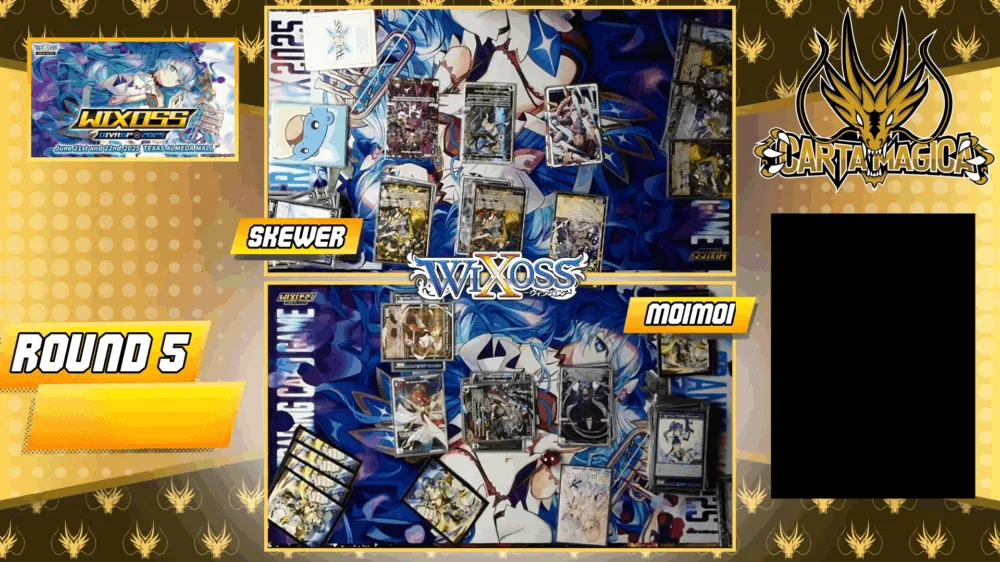
// How does this version compare to previous versions of Hirana? //
The original Hirana center relies heavily on Flathro to push through damage on the board, and while the +1 damage on LRIG is fearsome, it falls short when you are facing the vast amount of Servant # searching and recursion available right now.
The Dissona package alongside the new Hirana center allows for you to consistently threaten the full board early on; Hirana’s Once Per Turn ability nearly guarantees at least one lane after level 3; and the Once Per Game ability leaves most decks with no options to defend themselves.
// What did practice and preparation for this event look like? //
Due to the aggressive nature of the deck, I focused my testing on how best to exploit the defenses of my opponents rather than trying to devise ways to deal with the threats the other decks are able to present. I wanted to make sure I was aware of all of the hard counters I could expect and then find ways to avoid falling victim to these counters.
The ways my opponents can stop me largely come down to effects that prevent my LRIG from attacking or dealing damage – cards like Michaela Fang, Invincible Story, Defend Tamago’s enter ability, Mel Invisible, etc. It was critically important to quickly discover these types of counters and play the game in a way that I can present lethal through these strong defenses.
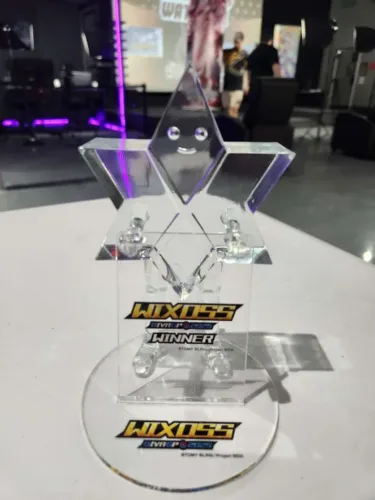
Burst-chan; the trophy for 1st Place
// Did you expect to win the whole thing? //
Decks that aim to deal most of their damage on the first two turns of the game are always going to be gambling on the abilities of life bursts to determine the outcome. I knew how to put myself in the best position to take advantage of the odds and it all came down to whether or not the dice came up in my favor.
// How was playing games in the streaming room – especially with finals, did you feel any extra stress or pressure from knowing you were under a more public eye during those games? //
The biggest stress point of the feature match is knowing that everyone is going to see your misplays. There was a point during the finals match that I realized I should probably use [Ex Echo, which draws three] before going to combat, but I had already played my board for the turn. I had to decide between saving the draw 3 effect to seem like it wasn’t a misplay, or make the correct play now even though it isn’t optimal. I am not too prideful to admit I had made an error, and putting off [the grow would] only be adding a second mistake. I wouldn’t have worried as much about this kind of thing if I was off camera.
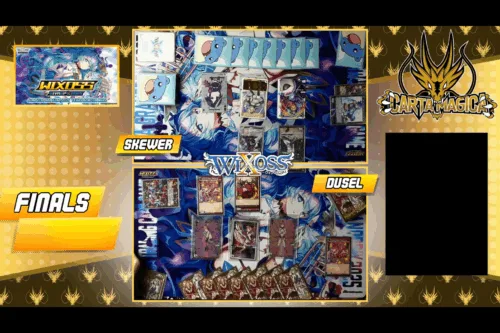
Dusel’s first turn against Skewer in the finals.
// What were your thoughts on the event format, and what are some memorable moments from it, within the games or otherwise? //
This format is the final sendoff to the focus on three LRIG gameplay in Diva Selection. With the new pieces from Legendary Diva, every deck is at full power and we saw some truly powerful strategies emerge.
The big memorable moments from this format come down to the massive game changing life bursts. As the power level has increased the impact that the right burst can have has only grown over time, and so a burst that gains you a small number of resources can truly turn a game entirely around.
The biggest life burst moment of the tournament was in the semi-final match when I flipped an Emergence as my final life burst to retrieve the servant I Ener Charged with Hirana’s enter ability to prevent my opponent from killing me, and then instantly winning the game on the next turn.

Dusel’s Round 4
// What are your thoughts on the P-16 metagame? Are you looking forward to ARTS format? //
The strongest decks in the current format heavily restrict access to resources and as a result you must play a deck that is still able to function without these resources. This limits the total available options for most decks and polarizes the metagame.
The introduction of ARTS doesn’t solve the resource denial issues, but it does give decks access to a more versatile set of tools to allow for a broader range of strategies.
// Lastly, as a finalist, you qualified for Mugen Shoujo 2025 – are you excited for that event? What plans do you already have for both your trip there and practice leading up to it? //
I am excited, but I am nervous about playing in a tournament where every card is in Japanese. I aim to gain exposure to the card pool through grinding games online prior to the event.
I am lucky to be surrounded by people who are willing to assist me with playtesting. The release of Open!Batoru will allow me to get more practice that would have been impossible otherwise.
Many community members have expressed interest in joining the Mugen Shoujo participants on the trip to Japan. Regardless of how the tournament goes, we are sure to have a great time.
Thanks again to Dusel for sharing his thoughts with us and a huge congrats to his triumph and victory!